
REPAIR SERVICES
Water Heater Repair for Tank
& Tankless Systems
No hot water is never just an inconvenience — it's an urgent problem. PreciseFlo diagnoses and repairs all water heater types fast.
WHAT WE DO
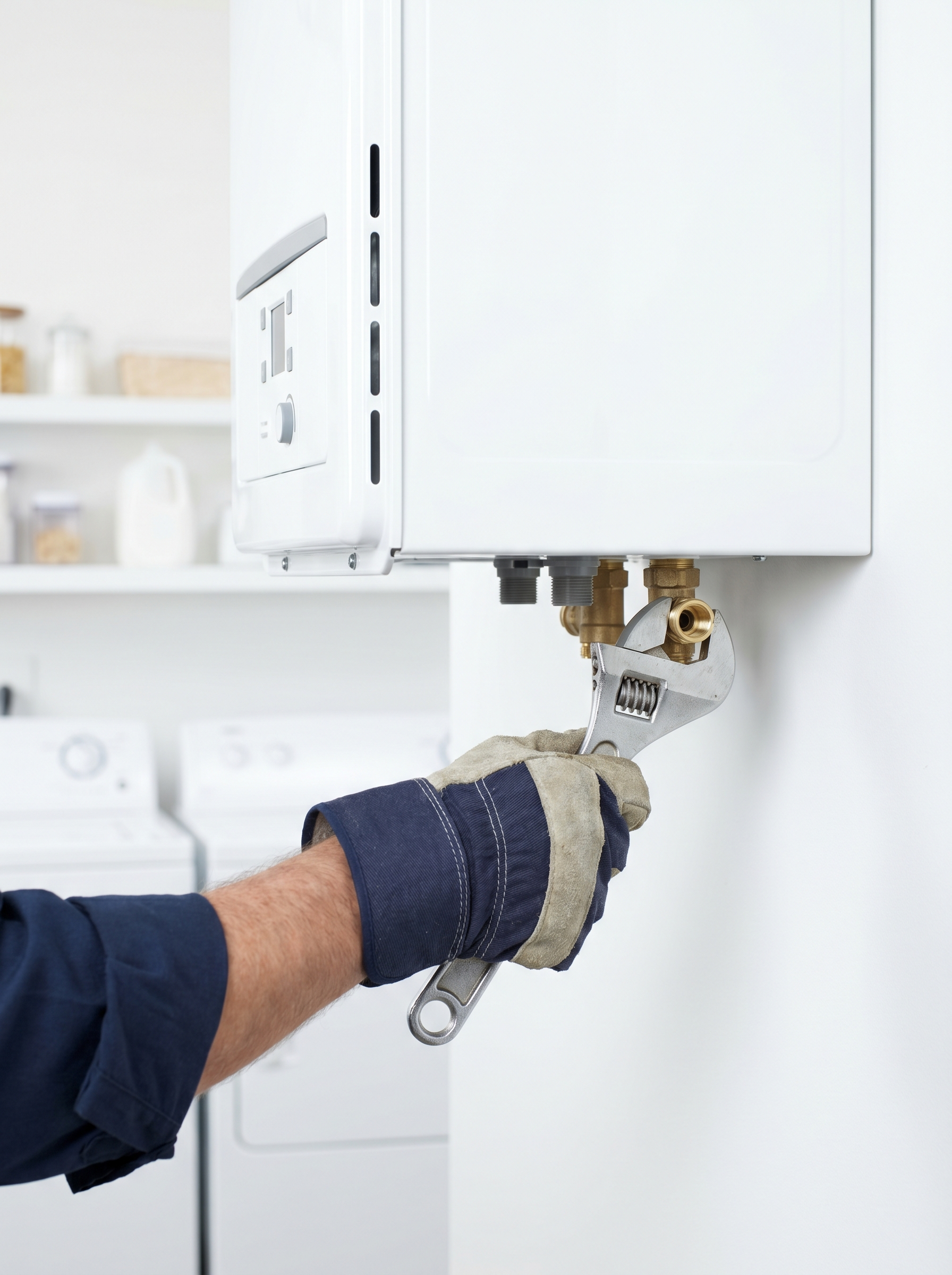
Fast and reliable water heater repairs.
Your water heater works hard every single day. When it fails, the cause is rarely obvious from the outside — and guessing wrong wastes time and money. PreciseFlo brings decades of diagnostic experience to every water heater call, identifying the actual problem before recommending any repair.
We service both traditional tank water heaters and advanced tankless systems — including smart-enabled and high-efficiency units — for residential and commercial properties across Metro Atlanta and North Georgia.
Pilot light failure diagnosis and repair
Thermostat and heating element replacement
Sediment flush and buildup removal
Pressure relief valve inspection and replacement
Anode rod replacement
Gas valve and burner assembly repair
Tankless unit error code diagnosis and repair
Smart water heater system troubleshooting
WHEN TO CALL US
Signs your water heater needs repair.
No hot water
If your water heater isn't producing hot water at all, a heating element, pilot light, or gas valve may have failed and needs immediate attention.
Slow to heat up
Longer wait times for hot water often point to sediment buildup, a failing heating element, or a system that's no longer keeping up with your demand.
Inconsistent temperature
Hot water that fluctuates or runs scalding then cold usually signals a failing thermostat, a faulty mixing valve, or a pressure balancing issue.
Popping or rumbling noises
Loud sounds from your tank are a classic sign of heavy sediment buildup forcing your heating element to work through hardened mineral scale.
Water pooling near the unit
Any moisture or pooling around the base of your water heater needs immediate diagnosis — it could be a leaking tank, a loose fitting, or a failing pressure relief valve.
Rusty or discolored water
Rust-colored hot water is a warning sign that your anode rod has failed and your tank is beginning to corrode from the inside — don't ignore it.
Frequently Asked Questions
-
That sound is almost always sediment buildup at the bottom of the tank. Over time, minerals from your water supply settle and harden, forcing your heating element to work through a layer of scale. A sediment flush can often resolve it — but if ignored too long, it shortens the tank's lifespan significantly.
-
A traditional tank water heater typically lasts 8–12 years. Tankless units can last 20+ years with proper maintenance. If yours is approaching the end of that range and facing a significant repair, replacement is often the smarter investment. We'll tell you honestly which way to go.
-
es. Our technicians are trained on tankless systems including Rinnai, Navien, Noritz, Rheem, and others — including units with smart controls and app connectivity. We diagnose error codes, replace faulty components, and service heat exchangers.
-
It could be. Sediment buildup reduces your effective tank capacity, thermostats can fail causing under-heating, and in some cases the unit was simply never sized correctly for your household's demand. We'll diagnose the cause and give you a clear answer.
-
No. Leave your home immediately, don't operate any electrical switches, and call your gas utility's emergency line. Once the gas company has cleared the situation, call us — we'll inspect and repair the unit before it goes back into service.
-
Yes — we service all fuel types including natural gas, propane, and electric water heaters for both residential and commercial applications.